The Ultimate Guide to HIPAA Compliance for Lawyers
HIPAA compliance refers to the adherence to the Health Insurance Portability and Accountability Act of 1996 (HIPAA), a United States federal law designed to protect the privacy and security of health information. HIPAA compliance is crucial for healthcare providers, health plans, healthcare clearinghouses, and business associates to safeguard patient health information and avoid potential penalties.
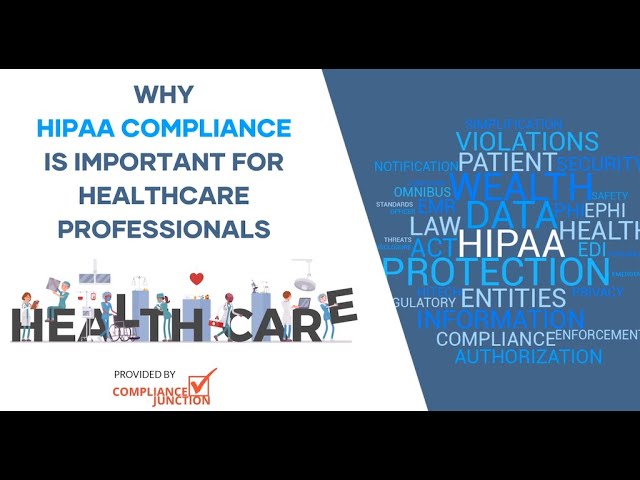
HIPAA compliance is essential for maintaining patient trust, ensuring the confidentiality of sensitive health information, and reducing the risk of data breaches. It also helps streamline healthcare processes, improve efficiency, and avoid costly legal consequences.
The main article will delve into the specific requirements of HIPAA compliance, including the Privacy Rule, Security Rule, and Breach Notification Rule. It will also discuss the benefits of HIPAA compliance, such as improved patient privacy, reduced risk of data breaches, and increased operational efficiency.
HIPAA Compliance
HIPAA compliance is crucial in healthcare to safeguard patient privacy and secure health information. Key aspects of HIPAA compliance include:
- Privacy: Protecting patient health information from unauthorized access or disclosure.
- Security: Implementing safeguards to ensure the confidentiality, integrity, and availability of health information.
- Breach Notification: Promptly notifying patients and relevant authorities in case of a breach involving their health information.
- Enforcement: Regular audits and potential penalties for non-compliance.
- Patient Rights: Empowering patients with rights to access, amend, and control the use of their health information.
These aspects are interconnected and essential for maintaining patient trust, preventing data breaches, and ensuring the integrity of the healthcare system. HIPAA compliance helps protect sensitive health information, improves healthcare quality, and reduces the risk of legal and financial consequences.
Privacy
The privacy component of HIPAA compliance is paramount in safeguarding the confidentiality of patient health information. Unauthorized access or disclosure of such information can have severe consequences, including identity theft, insurance fraud, and discrimination. HIPAA compliance requires healthcare providers and other covered entities to implement robust measures to protect patient privacy.
HIPAA's Privacy Rule establishes specific requirements for handling protected health information (PHI), including patient names, medical diagnoses, treatment plans, and billing information. Covered entities must implement physical, technical, and administrative safeguards to prevent unauthorized access, use, or disclosure of PHI. This includes measures such as access controls, encryption, and regular security audits.
Ensuring privacy in healthcare is not only a legal obligation but also an ethical imperative. Patients have a fundamental right to the privacy of their health information. By protecting privacy, healthcare providers can maintain patient trust, foster open communication, and provide quality care without fear of sensitive information being compromised.
In summary, the privacy component of HIPAA compliance is essential for safeguarding patient health information and maintaining trust in the healthcare system. By implementing robust privacy measures, healthcare providers can prevent unauthorized access or disclosure of PHI, protect patient rights, and ensure the confidentiality of sensitive health information.
Security
Security is a critical aspect of HIPAA compliance, focusing on protecting the confidentiality, integrity, and availability of health information. Robust security measures are essential to prevent unauthorized access, use, or disclosure of protected health information (PHI) and to maintain the integrity and accessibility of health data.
- Confidentiality: Ensuring that PHI is only accessible to authorized individuals and is not disclosed to unauthorized parties.
- Integrity: Safeguarding PHI from unauthorized alteration or destruction, maintaining its accuracy and completeness.
- Availability: Ensuring that PHI is accessible to authorized individuals when needed, including during emergencies or system outages.
To achieve these goals, HIPAA compliance requires covered entities to implement a comprehensive security program that includes policies, procedures, and technical measures. These measures may include:
- Access controls to restrict access to PHI only to authorized individuals.
- Encryption to protect PHI from unauthorized access in case of a data breach.
- Regular security audits to identify and address vulnerabilities.
- Incident response plans to manage and mitigate security breaches.
- Employee training on HIPAA security requirements.
By implementing robust security measures, healthcare providers and other covered entities can protect patient privacy, prevent data breaches, and maintain the integrity and availability of health information. This is essential for maintaining patient trust, ensuring the quality of healthcare services, and avoiding potential legal and financial consequences.
Breach Notification
Breach notification is a crucial component of HIPAA compliance, requiring covered entities to promptly notify patients and relevant authorities in case of a breach involving their health information. A breach is defined as the unauthorized acquisition, access, use, or disclosure of protected health information (PHI) that compromises the security or privacy of the information.
HIPAA's Breach Notification Rule establishes specific timeframes and procedures for breach notification. Covered entities must notify affected individuals without unreasonable delay and no later than 60 days after discovering the breach. The notification must include information about the breach, the protected health information involved, and steps individuals can take to protect themselves.
Breach notification is important for several reasons. First, it allows affected individuals to take steps to protect themselves from identity theft, fraud, or other harmful consequences. Second, it helps mitigate the damage caused by the breach and restore trust with patients. Third, it helps covered entities identify and address vulnerabilities in their security systems to prevent future breaches.
Failure to comply with breach notification requirements can result in significant penalties, including fines and reputational damage. However, beyond legal compliance, breach notification is an ethical and responsible action that demonstrates a commitment to patient privacy and data security.
Enforcement
Enforcement is a critical component of HIPAA compliance, ensuring that covered entities adhere to the regulations and protecting the privacy and security of protected health information (PHI). Regular audits and potential penalties for non-compliance serve as powerful deterrents against violations and promote a culture of compliance within healthcare organizations.
Regular audits, conducted by government agencies or independent auditors, evaluate covered entities' HIPAA compliance programs and identify areas for improvement. Audits assess whether organizations have implemented appropriate physical, technical, and administrative safeguards to protect PHI, as well as policies and procedures for breach notification and response. Audits also review organizations' risk assessments and management plans to ensure they are comprehensive and effective.
Potential penalties for non-compliance with HIPAA regulations can be significant, including fines, corrective action plans, and even criminal charges. The severity of penalties depends on the nature and severity of the violation, as well as the organization's history of compliance. Penalties can have a substantial financial impact on organizations and damage their reputation, leading to loss of patient trust and business.
The enforcement of HIPAA compliance is essential for several reasons. First, it ensures that covered entities take their obligations to protect PHI seriously. Second, it provides a mechanism for identifying and addressing vulnerabilities in healthcare organizations' security systems. Third, it discourages organizations from cutting corners and helps maintain a level playing field within the healthcare industry.
Understanding the connection between enforcement and HIPAA compliance is crucial for organizations to develop and maintain effective compliance programs. By conducting regular audits, implementing robust security measures, and adhering to HIPAA regulations, covered entities can minimize the risk of non-compliance and its associated penalties. This, in turn, helps protect the privacy and security of PHI, maintain patient trust, and ensure the integrity of the healthcare system.
Patient Rights
The Patient Rights component of HIPAA compliance empowers patients with fundamental rights regarding their health information. These rights include the right to access, amend, and control the use of their protected health information (PHI).
- Right to Access: Patients have the right to obtain a copy of their PHI from covered entities, including medical records, test results, and billing statements. This right enables patients to review their health information, understand their medical history, and make informed decisions about their care.
- Right to Amend: Patients have the right to request corrections or amendments to their PHI if they believe it is inaccurate or incomplete. Covered entities are required to investigate and respond to these requests promptly, ensuring that patients' health information is accurate and up-to-date.
- Right to Control Use and Disclosure: Patients have the right to control how their PHI is used and disclosed. They can authorize the release of their PHI to specific individuals or entities for specific purposes. This right prevents unauthorized access or disclosure of PHI and protects patient privacy.
- Right to Accounting of Disclosures: Patients have the right to request an accounting of all disclosures of their PHI, except for those made for treatment, payment, or healthcare operations. This right allows patients to track who has accessed their health information and for what purposes.
These patient rights are essential for maintaining patient trust and ensuring that individuals have control over their health information. By respecting and upholding these rights, covered entities demonstrate their commitment to patient privacy, autonomy, and the ethical use of health information.
FAQs on HIPAA Compliance
HIPAA compliance is a critical aspect of healthcare, ensuring the privacy and security of protected health information (PHI). Here are answers to some frequently asked questions about HIPAA compliance:
Question 1: What are the key components of HIPAA compliance?
HIPAA compliance involves several key components, including privacy, security, breach notification, enforcement, and patient rights. Privacy measures protect PHI from unauthorized access or disclosure, while security safeguards ensure the confidentiality, integrity, and availability of PHI. Breach notification requires covered entities to promptly notify individuals and authorities in case of a breach involving PHI. Enforcement includes regular audits and potential penalties for non-compliance. Patient rights empower individuals with control over their health information, including the rights to access, amend, and control its use and disclosure.
Question 2: Who is required to comply with HIPAA regulations?
HIPAA regulations apply to covered entities, which include healthcare providers, health plans, healthcare clearinghouses, and business associates who handle PHI. Covered entities must implement policies and procedures to protect the privacy and security of PHI and comply with HIPAA's administrative, physical, and technical safeguards.
Question 3: What are the potential consequences of HIPAA non-compliance?
Non-compliance with HIPAA regulations can result in significant consequences, including financial penalties, corrective action plans, and even criminal charges. Penalties vary depending on the nature and severity of the violation, as well as the organization's history of compliance.
Question 4: How can healthcare organizations ensure HIPAA compliance?
Healthcare organizations can ensure HIPAA compliance by implementing comprehensive compliance programs that include regular risk assessments, robust security measures, and ongoing employee training. Regular audits and monitoring are essential to identify and address any vulnerabilities or gaps in compliance.
Question 5: What are the benefits of HIPAA compliance?
HIPAA compliance offers several benefits, including enhanced patient trust, reduced risk of data breaches, improved healthcare quality, streamlined healthcare processes, and avoidance of costly legal consequences. By protecting PHI and adhering to HIPAA regulations, healthcare organizations can maintain patient confidence, safeguard sensitive health information, and contribute to the overall integrity of the healthcare system.
Question 6: How can individuals protect their health information?
Individuals can protect their health information by understanding their rights under HIPAA and taking proactive steps to safeguard their PHI. This includes reviewing and understanding privacy policies, controlling access to their health information, and reporting any suspected HIPAA violations to the appropriate authorities.
HIPAA compliance is an ongoing responsibility in healthcare, requiring a commitment to protecting the privacy and security of sensitive health information. By understanding the requirements, benefits, and consequences of HIPAA compliance, healthcare organizations and individuals can contribute to a secure and trustworthy healthcare system.
For further information and guidance on HIPAA compliance, consult the resources provided by the U.S. Department of Health and Human Services Office for Civil Rights (OCR) at https://www.hhs.gov/hipaa/index.html
Tips for HIPAA Compliance
Healthcare organizations and individuals can implement the following tips to ensure HIPAA compliance and protect sensitive health information:
Tip 1: Conduct Regular Risk Assessments
Regularly assess potential risks and vulnerabilities to PHI. Identify areas where PHI may be at risk and implement appropriate safeguards to mitigate those risks.
Tip 2: Implement Robust Security Measures
Establish comprehensive security measures, including access controls, encryption, and intrusion detection systems, to protect PHI from unauthorized access, use, or disclosure.
Tip 3: Train Employees on HIPAA Compliance
Provide regular training to employees on HIPAA compliance requirements and best practices. Ensure that employees understand their roles and responsibilities in protecting PHI.
Tip 4: Develop and Implement Breach Response Plans
Create a comprehensive breach response plan that outlines steps to be taken in the event of a breach involving PHI. This plan should include procedures for notifying affected individuals and relevant authorities.
Tip 5: Establish Clear Privacy Policies and Procedures
Develop clear and concise privacy policies and procedures that govern the handling and disclosure of PHI. Communicate these policies to employees, patients, and other stakeholders.
Tip 6: Monitor and Audit HIPAA Compliance Regularly
Regularly monitor and audit HIPAA compliance efforts to identify any gaps or areas for improvement. Conduct internal audits and consider external audits to ensure ongoing compliance.
Tip 7: Stay Up-to-Date on HIPAA Regulations
Stay informed about changes to HIPAA regulations and industry best practices. Regularly review guidance from the Department of Health and Human Services (HHS) and other regulatory bodies.
Tip 8: Empower Individuals to Protect Their Health Information
Provide patients and individuals with clear explanations of their rights under HIPAA and educate them on how to protect their health information. Encourage individuals to report any suspected HIPAA violations or privacy concerns.
By implementing these tips, healthcare organizations and individuals can enhance their HIPAA compliance posture, protect sensitive health information, and maintain patient trust.
Remember, HIPAA compliance is an ongoing responsibility that requires continuous effort and vigilance. By following these tips and adhering to HIPAA regulations, healthcare entities can contribute to a secure and trustworthy healthcare system.
HIPAA Compliance
HIPAA compliance is not merely a regulatory requirement but an ethical and professional obligation in healthcare. It is the foundation for safeguarding sensitive patient health information, building trust, and ensuring the integrity of the healthcare system. By adhering to HIPAA regulations, healthcare organizations and individuals demonstrate their commitment to protecting patient privacy, preventing data breaches, and maintaining the confidentiality of health information.
HIPAA compliance requires a comprehensive approach that encompasses privacy measures, robust security safeguards, breach response plans, and ongoing employee training. It empowers patients with rights over their health information and fosters a culture of accountability and transparency in healthcare. As technology advances and the healthcare landscape evolves, HIPAA compliance will continue to play a critical role in protecting the privacy and security of sensitive health information.
Youtube Video: